 I never attended preschool. In the sixties, in my half-day kindergarten class we played with blocks, ate cookies, and had naps. I don't remember seeing a workbook or desk until first grade. Somehow, without formal training or curriculum, my parents taught me what I needed to know for school.
Fast forward, to the modern institutional preschool. Parents and little kids endure increasing pressure from tests and developmental timetables. While conservative pediatricians still reassure parents about "the wide range of development," more and more babies find themselves labeled "learning disabled" and "special education." Even veteran homeschoolers may wonder: What does my preschooler need to know?
Preschool at home doesn't need to be expensive, stressful or exhausting. Your child's preschool years can be a fun, inexpensive, relaxed training ground for easing into "real" homeschooling. Using library resources and materials you already own, you can literally teach preschool for pennies. (What preschooler doesn't love counting pennies - supervised, of course?)
Preschoolers need more time, not more money, playing with Mommy, Daddy, siblings, and grandparents. In most cases, preschool skills can be learned through real-world activities, although you can use a workbook if you both enjoy it.
My children loved to "play school" sitting on mommy's lap with dollar store workbooks. It was easy to get our little ones to "do school." We didn't need to use stickers or charts as incentives, when they picked the activity from a variety of choices. They were highly motivated, because during preschool time, I didn't get to take a bath, use the computer, or talk on the phone! (The warm snuggles made it all worthwhile.)
What can you do in preschool?
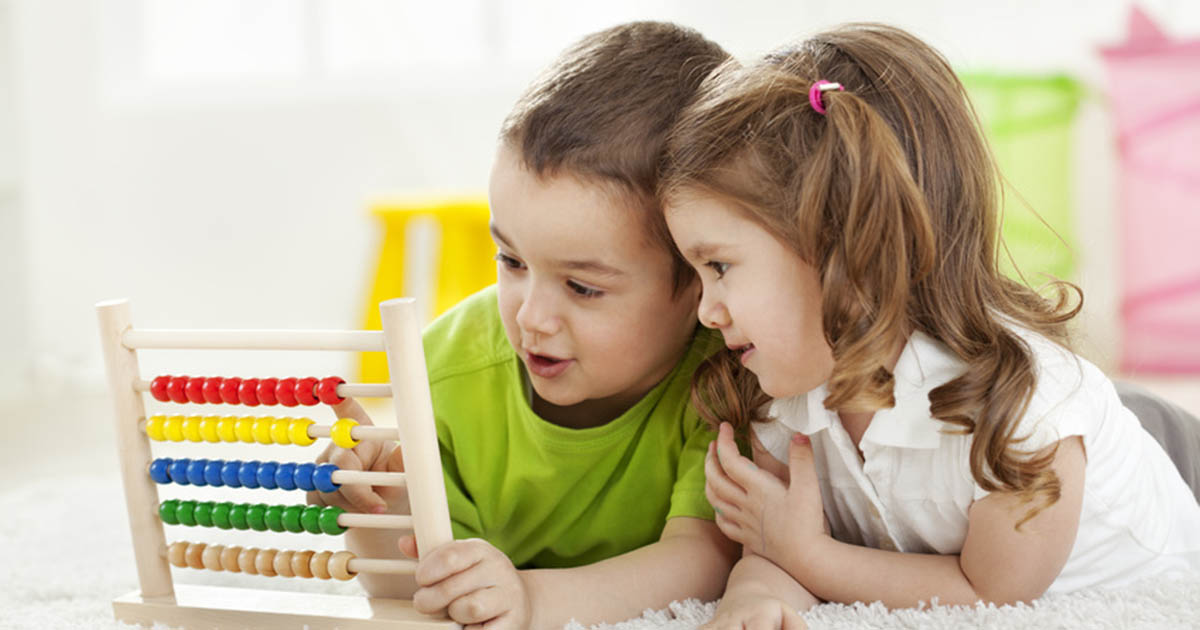
Preschool time can include nature walks, seed planting, pretending to be animals, measuring ingredients and stirring cake batter, taking turns in simple board games, feeding animals, making letters with clay, timing naps, and reading stories and alphabet books together.
In my family we minimize formal schooling for little kids. However, we consider preschool as our God-given responsibility for training each child up "in the way he should go." For successful child training, we need to know where we are and we need to know where we're going.
We write down our developmental milestones in a journal. I purchased a simple notebook on sale at the drugstore, and wrote updates when I noticed progress.
I recommend saving samples of drawing and of beginning attempts at writing. Also consider recording your child's progress on video, especially if your child has special needs. Improvement may be slow, but you'll be able to see changes year by year. Your records will prove to be far more than educational recordkeeping. They will become treasured keepsakes.
Use your journal to keep track of your child's skills. Develop and write down your own goals, or use a skills checklist from a book. In a homeschool preschool, you can tailor your list to your child. Simply list the beginning skills that you're looking for, and check off when your child can do them.
Make your goals as simple or detailed as you wish. In the list for our family, we stressed many "non-traditional" skills that relate to character development.
Basic Preschool Skills:
- Begin to know, love and obey God
- Love others
- Obey parents and others in authority
- Communicate in sentences, ask and answer questions, say full name
- Talk about position and direction (left, right, under, over, in, out, etc.)
- Explore, observe and talk about the world around us
- Help with simple chores
- Work with others
- Work independently and ask for help when needed
- Learn how to play with friends of all ages
- Practice modesty, manners and kindness
- Listen, share, and take turns
- Self care without help (eating, toilet, dressing, hand washing, etc.)
- Safety (what not to touch, stay away from the street, stranger danger, etc.)
- Enjoy music and sing simple songs
- Develop a sense of humor
- Enjoy books
- Play with sounds, numbers, letters, colors, textures, clocks, and timers
- Count objects
- Explore rhymes, same and different, big and small, light and heavy
- Tell stories, beginning, ending, what comes next, cause and effect
- Remembering numbers, names, letters and sounds, I Spy, hidden pictures
- Begin to read and trace words with three letters, names of family members
- Fine motor skills (beading, building, stirring, squishing, cutting, pouring)
- Draw a person with six parts, using basic shapes (i.e., cross, circle, lines)
- Understand real and pretend, alive and not alive
- Gross motor skills (jumping, swinging, catching, throwing, tricycle riding, games)
Children will vary greatly in their strengths and weaknesses in all these areas. It's true that kids need to be emotionally, physically and mentally ready to do new things. However, don't get too caught up in learning skills in a certain order. Different books may list a "preschool" skill under kindergarten, or even first grade.
Our youngest has met most of our preschool goals, so we've expanded and adapted a new list for kindergarten. For a look ahead, get a free Typical Course of Study (Kindergarten Skills), from WorldBook.com. View a free Kindergarten readiness test at Covenant Home Curriculum, covenanthome.com. It includes many emotional and physical skills, as well as academics. You also might be interested in What Your Kindergartner Needs to Know: Preparing Your Child for a Lifetime of Learning, edited by E.D. Hirsch, Jr.
When our oldest child neared kindergarten age, we found that our local school offered a free readiness kit to parents, no strings attached. It contained developmental milestones, simple paper shapes, color matching activities, and number matching cards. Find out if readiness materials are available in your area without registering your child for school.
If you would like more guidance with readiness and preschool skills, but you don't want to spend hundreds of dollars on a curriculum, check out the following resources: Slow And Steady Get Me Ready by June Oberlander; Playful Learning: An Alternate Approach to Preschool by Anne Engelhardt and Cheryl Sullivan; and James Hyme's Child Under Six. Your local library may own many preschool resources. You can request specific books through inter-library loan.
Education is an on-going, life-long process; not a race. Your child, as an adult, will still be gaining proficiency in communication skills, increasing written and oral vocabulary, and learning about the world. A relaxed pre-homeschool offers us the opportunity to enjoy our children as blessings, and individuals, with unique needs and gifts!